
Short film "The Last Supper” explores what it means to be Filipino, American, and everything in between
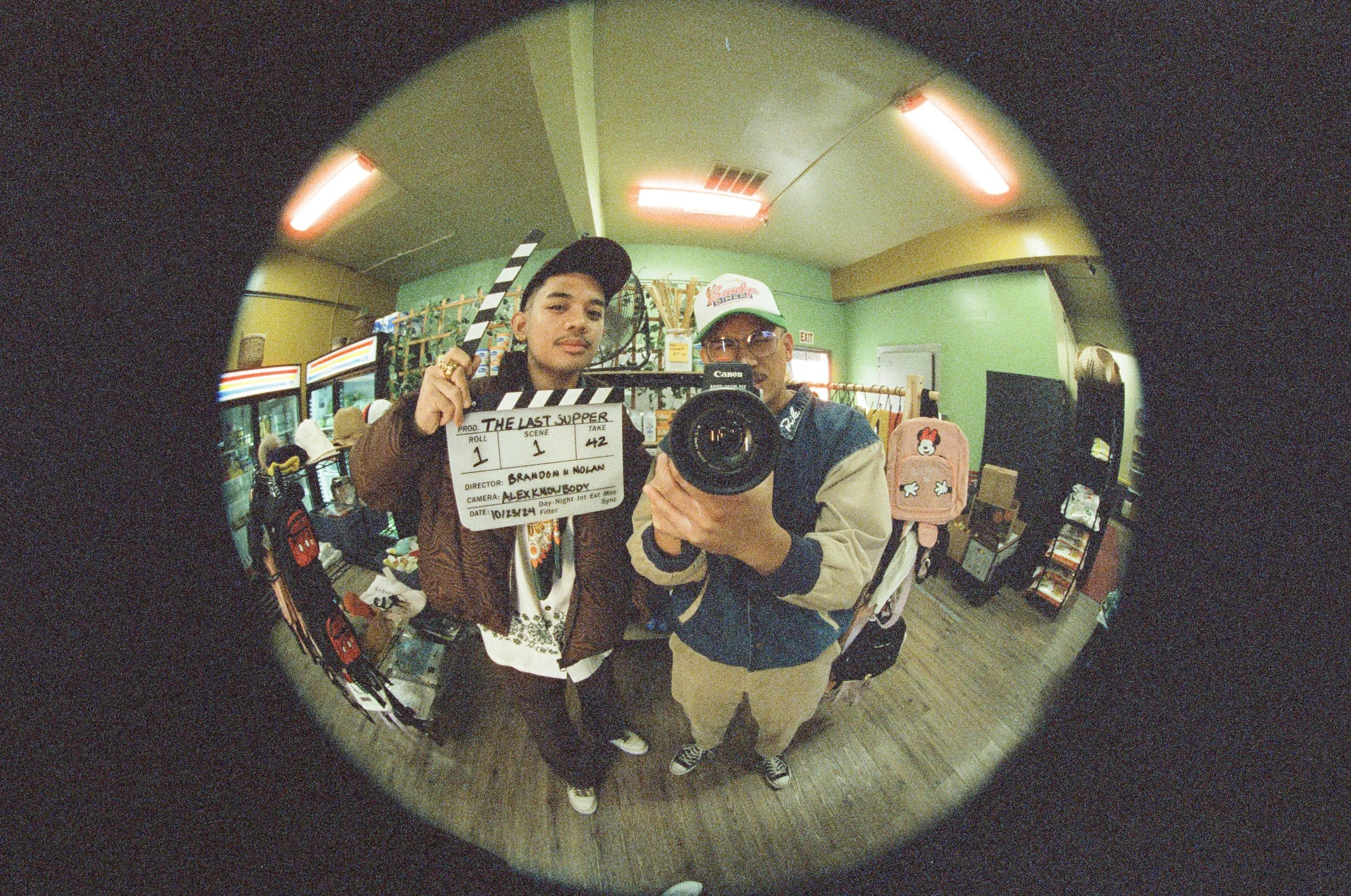
From left, producers Brandon Gagante and Nolan Gonzales on set of their debut short film, “The Last Supper.” Photo: @alexknowbody
When producers Brandon Gagante and Nolan Gonzales set out to create their first short film, “The Last Supper", they wanted to make one message clear: Filipinos are not a monolith.
“Every piece of media about Filipinos shows only one side of us. With this film, we wanted to bring in different perspectives to give a fuller picture of what the Filipino American experience is like for us — the good, the bad, and the ugly,” Gagante said.
The 15-minute satire tells the story of RJ Solano, a second-generation Filipino American boy who runs away from his mother’s job at a Filipino market in search of a bag of Doritos. He’s confronted by people who question his identity and others who reduce Filipino culture to ube, karaoke, and stereotypes perpetuated by the media. Longing for connection and a sense of belonging, RJ navigates the complexities of what it means to be Filipino and American in the United States.
In conceiving the film, the producers drew on personal experiences to unravel the tensions between Filipino and Filipino American identities—tensions that continue to spark debate across the diaspora.
“There's a lot of conflict around who's more Filipino or American than the other. There needs to be more connection and a place for understanding one another because while we have different experiences, being Filipino is what connects us,” Gagante said.
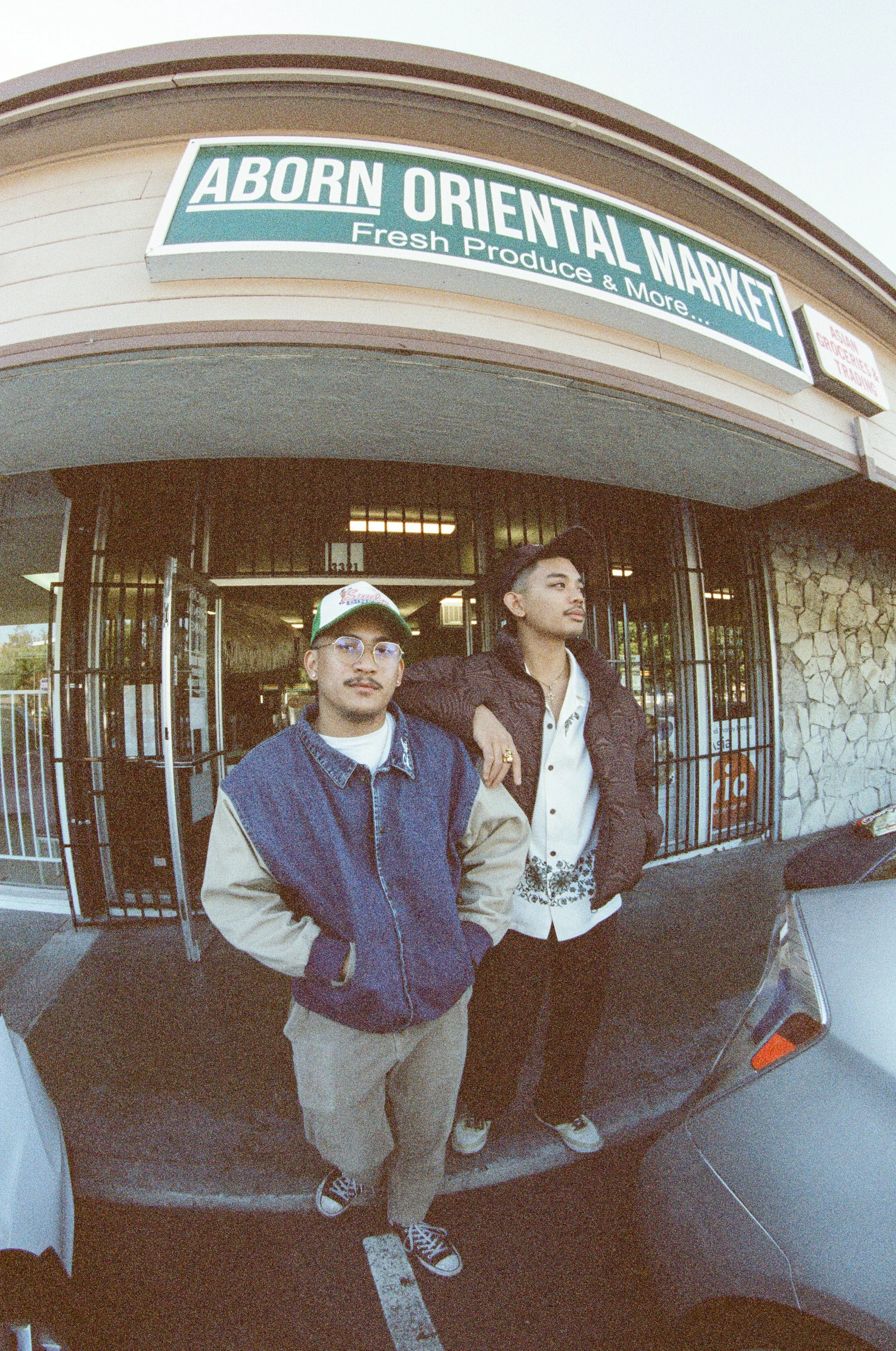
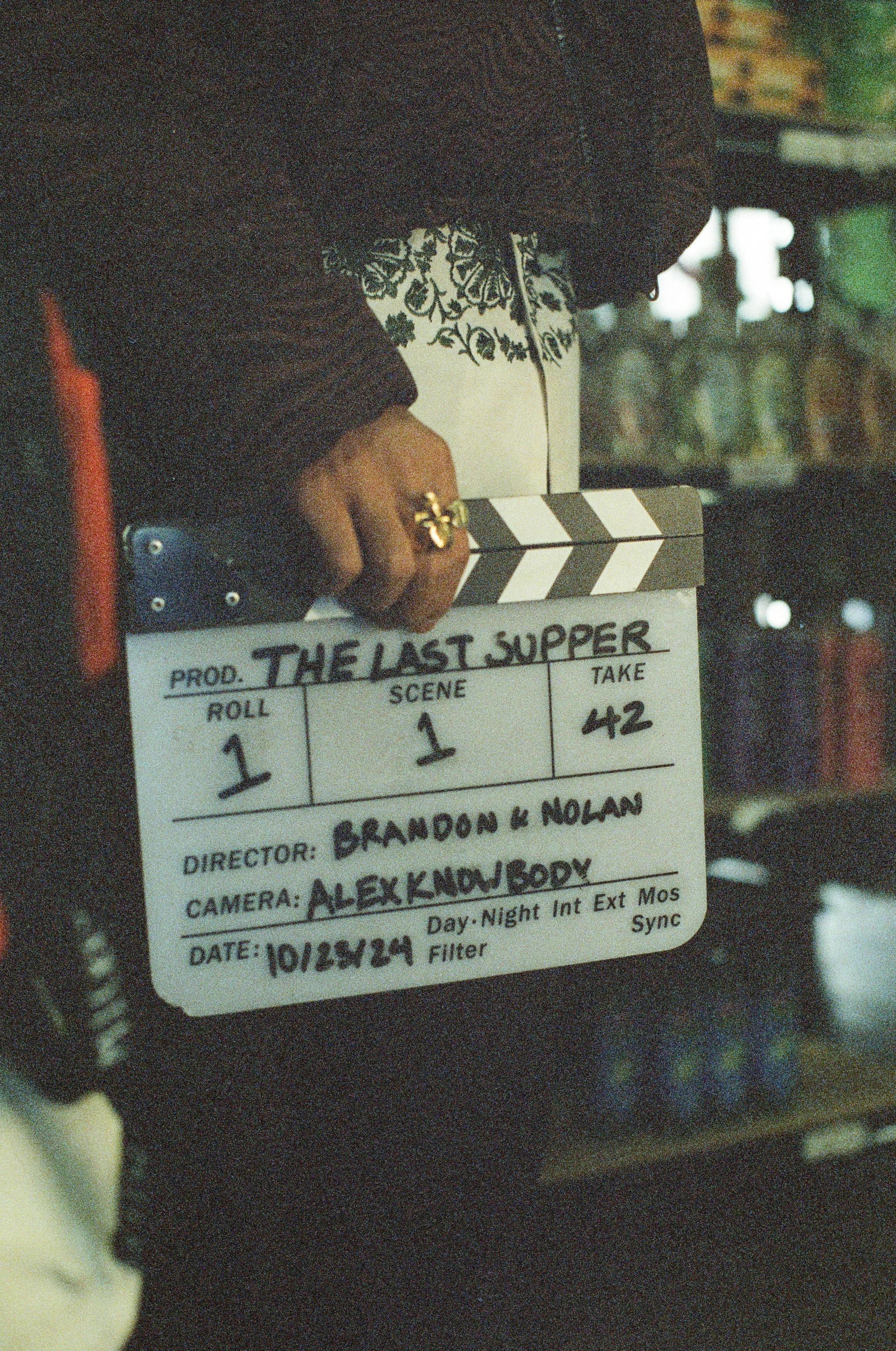
The legacies of Spanish and U.S. colonization in the Philippines have had a lasting impact on the Filipino community and psyche, the producers said. Spanish colonization introduced Catholicism, racial hierarchies, and private landownership, which created deep social divisions. U.S. occupation further solidified these inequalities. Pre-colonial values of communal land use largely disappeared, and migration beyond the archipelago increased.
The added layers of colonial influence and distance from the homeland complicate the lives of Filipino Americans seeking a deeper understanding of their cultural and family roots. Gonzales, a second-generation Filipino American, never learned Tagalog. His parents believed that leaving the language behind would help him fit into American society. But the decision came with its own set of struggles and misunderstandings. Without a shared language, Gonzales and his parents found it difficult to connect. Gonzales and Gagante wanted “The Last Supper” to honor this experience and reframe assimilation as a sacrifice, not only loss.
“Catholicism and religion are a big part of Filipino culture. Jesus said in the Last Supper, ‘Take my body, take my blood.’ We wanted to give an ode to the sacrifice that many of our parents made to bring us here and give us a good life. Even though I have these struggles with finding my own identity, I’m still grateful,” Gonzales said.
At the heart of the film is an understanding that everyone’s journey is valid, special, and a story worth telling.
"It took me a while to realize that, however I lived, however my family was, and however my friends and culture were, that was my Filipino experience. No one can take that away from me,” Gagante said. “If you are Filipino, your experiences and your life make you a true Filipino, and no one can tell you otherwise.”
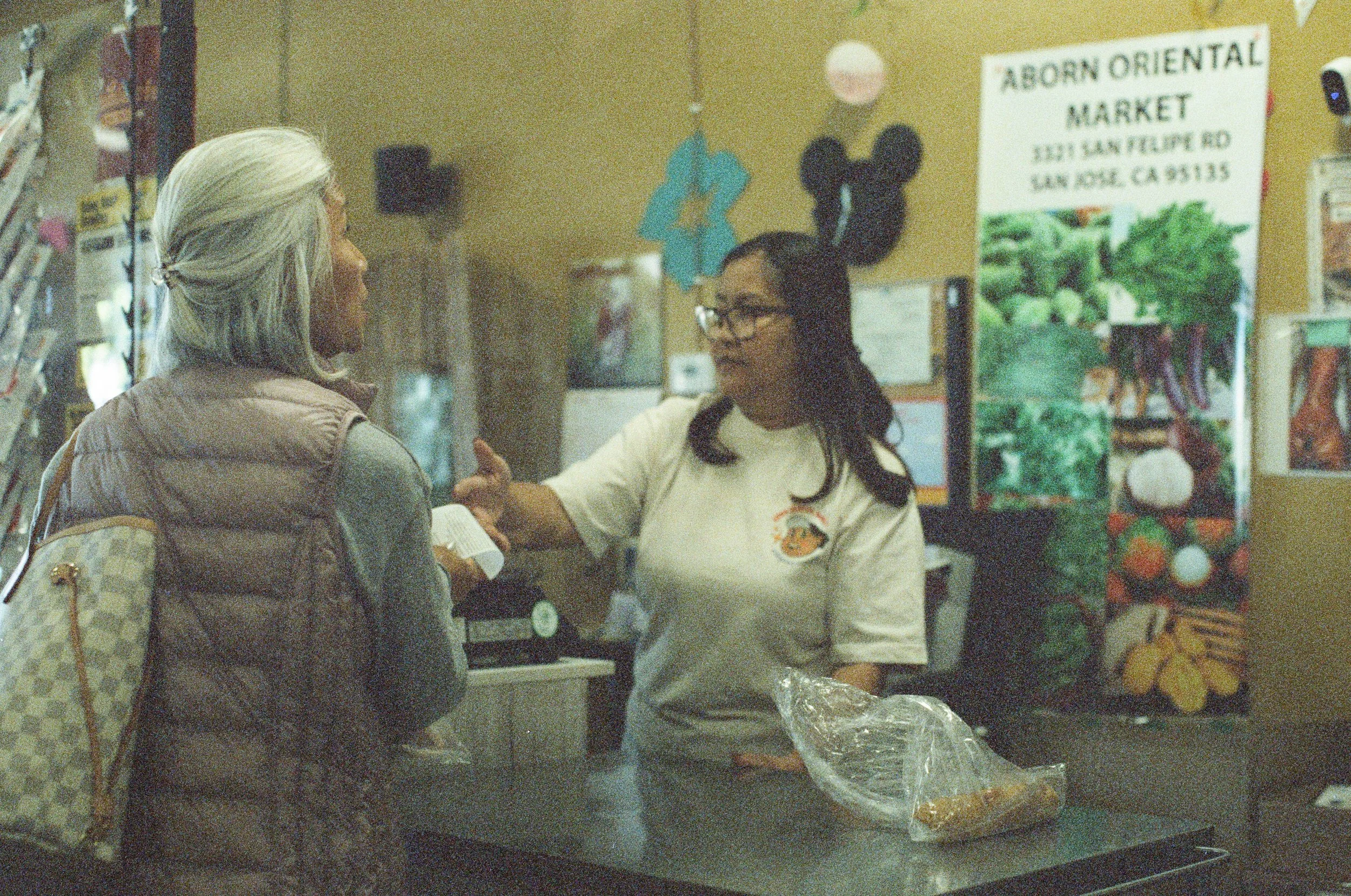
Actress Rae Lane plays Mina Solano in the short film "The Last Supper" by producers Brandon Gagante and Nolan Gonzales. Photo: @alexknowbody
The making of "The Last Supper" was no small feat. Gagante and Gonzales spent months fundraising to help cover production costs, wages, food, and transportation. They recognize the cast and crew for their time and talent in telling this story, and emphasize the importance of creatives and independent filmmakers lifting each other up.
“Respect your crew because they are helping you formulate your vision. It’s important to ground yourself and give back in whatever way possible. Feed them, help pay for gas, hear what they have to say,” Gonzales said. "As first-time filmmakers, Brandon and I made sure to keep an open mind. If you’re not open, you miss out on hearing a unique perspective that will make your idea 100 times better."
As the making of "The Last Supper" was a journey of self-healing and self-recognition, Gagante and Gonzales advocate for others to unapologetically share their experiences through creative expression.
"Don’t compromise your story, because if you do, you compromise yourself,” Gagante said. "Find the people who feed your fire and who believe in you."